Quinn Lehmann · 6 September 2026
Analyzing Shifts in Online Visibility After Domain Transfers in Specialized Portals
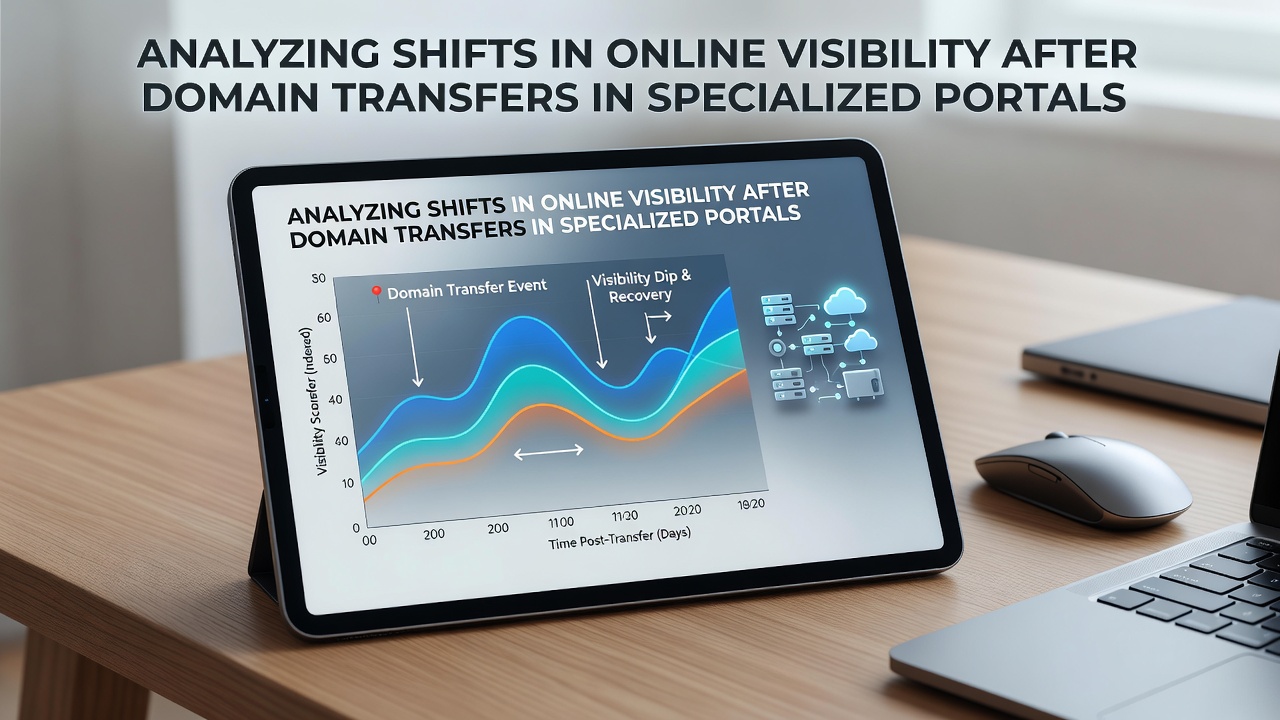
Domain transfers in specialized portals involve moving a website from one registrar or hosting environment to another while maintaining the same domain name, and this process often triggers measurable changes in online visibility metrics tracked by search engines and directory systems. Observers note that such moves can affect indexing speed, backlink authority signals, and placement within niche directories that focus on specific industries or topics. Data from multiple tracking platforms indicate that visibility fluctuations tend to appear within days or weeks after the transfer completes, depending on how the new infrastructure handles crawl requests.
Mechanics Behind Visibility Changes
Specialized portals, which aggregate content from targeted sectors like technology resources or professional directories, rely on consistent domain signals to rank entries, and any interruption during a transfer can reset certain trust indicators that search algorithms use. Researchers have documented cases where temporary DNS propagation delays led to reduced crawl frequency, resulting in slower updates to page titles and meta descriptions within those portals. Evidence suggests that the use of proper 301 redirects combined with updated sitemaps helps stabilize visibility, while incomplete configurations often prolong recovery periods that last several weeks.
According to records maintained by the Internet Corporation for Assigned Names and Numbers, domain transfers require specific authorization codes and registrar coordination that can influence how quickly external systems recognize the new ownership details. Studies conducted by academic teams at institutions in Canada have shown that portals with strict verification protocols tend to delay reindexing until they confirm the transfer through multiple checks, which creates temporary dips in traffic referrals from those sources.
Data Patterns Observed in Recent Transfers
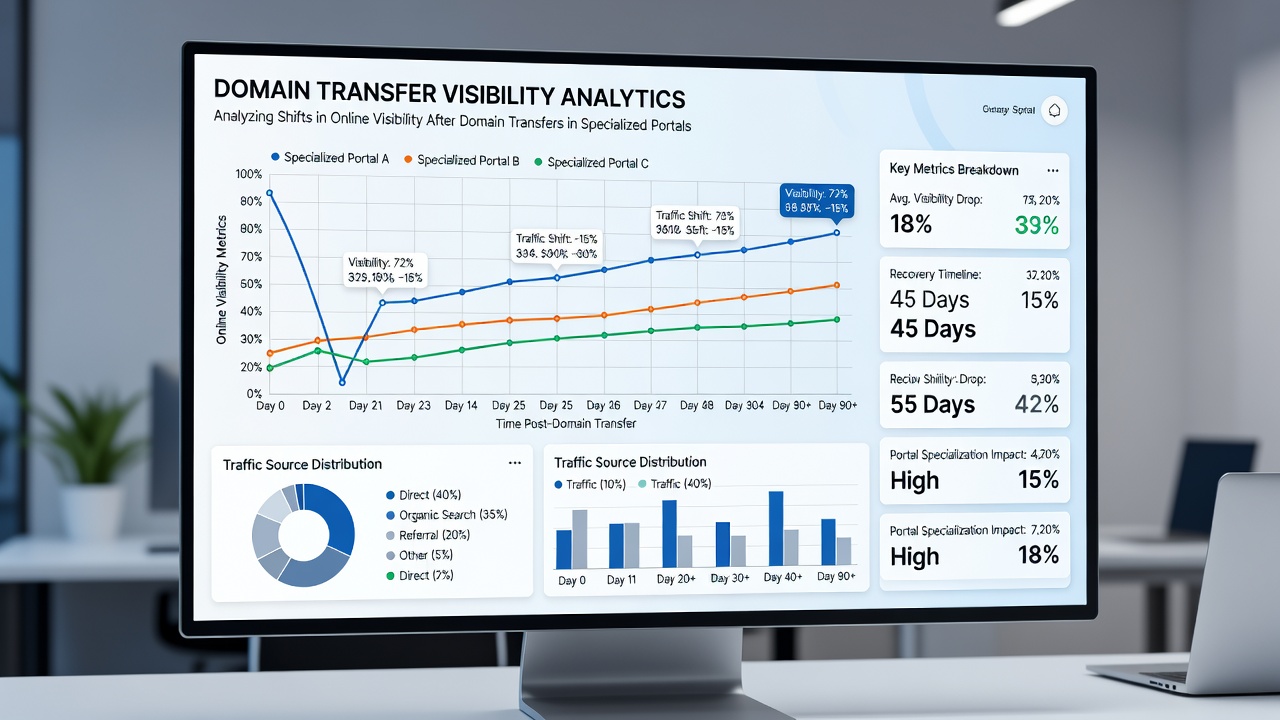
Tracking tools used by web analysts reveal that organic impressions in specialized portals frequently drop by 15 to 40 percent immediately following a transfer, though recovery trajectories vary based on the portal's update frequency and the site's compliance with technical standards. In September 2026, aggregated reports from European research networks highlighted how certain portals adjusted their ranking formulas to account for registrar history, leading to faster stabilization for domains that maintained clean records across previous moves. Those same reports noted that portals emphasizing content freshness applied heavier weighting to post-transfer crawl data, which accelerated visibility rebounds for well-optimized sites.
Industry organizations such as the Australian Domain Administration have compiled statistics showing that transfers involving international registrars introduce additional variables related to nameserver consistency, and these factors correlate with longer periods of reduced portal placement until propagation completes across global networks. Observers have tracked examples where sites that pre-validated their DNS settings before initiating the move experienced minimal disruption compared with those that handled configurations reactively.
Methods for Monitoring and Analyzing Shifts
Analysts employ a combination of server log reviews, portal-specific search operators, and third-party visibility tools to quantify changes after domain transfers, and this approach allows them to isolate variables such as redirect chains or nameserver latency. Research from university laboratories in the United States demonstrates that systematic comparison of pre-transfer and post-transfer snapshots helps identify whether visibility losses stem from technical issues or from portal-side policy adjustments. Those methodologies often include daily monitoring of key phrases within targeted directories, which provides granular data on ranking movements that broader search engine reports might overlook.
Portals that publish their indexing guidelines offer additional context, and experts have found that aligning transfer procedures with these guidelines reduces the likelihood of extended de-indexation periods. Data indicates that sites which submit updated XML sitemaps directly to portal administrators recover faster than those relying solely on automated discovery processes.
Recovery Strategies Documented Across Cases
Case records from various specialized portals illustrate that proactive communication with portal moderators, paired with verification of all technical redirects, supports quicker restoration of previous visibility levels. Figures from ongoing monitoring projects show that domains undergoing transfers in 2026 benefited from preemptive canonical tag audits, which prevented duplicate content flags from emerging during the transition window. Analysts continue to examine how different portal architectures respond to these changes, with particular attention to those handling high volumes of niche submissions.
Conclusion
Analysis of visibility shifts after domain transfers in specialized portals reveals consistent patterns tied to technical execution, registrar coordination, and portal update cycles, while available data from 2026 underscores the value of preparation and ongoing monitoring. Continued observation of these dynamics provides clearer benchmarks for predicting recovery timelines across different portal environments.